



How to Write Clear Prompts for AI Assistants
What Makes a Prompt Clear?

A clear prompt tells the AI assistant who it is helping, what result you want and how you will judge it. Clarity comes from specifics, not from length.
Most weak answers trace back to missing context. When the assistant has to guess your audience, format or goal, it fills the gaps with generic defaults. Supplying those details up front removes most of the guesswork.
How Do You State the Goal and Context?

State the goal in one sentence, then add the context the assistant cannot know on its own. For example, say you are writing a newsletter for beginner gardeners instead of simply asking for gardening tips.
Include who the reader is, what they already know and where the text will be used. Two or three lines of context usually improve the result more than rewriting the request several times.
Why Should You Specify the Format?
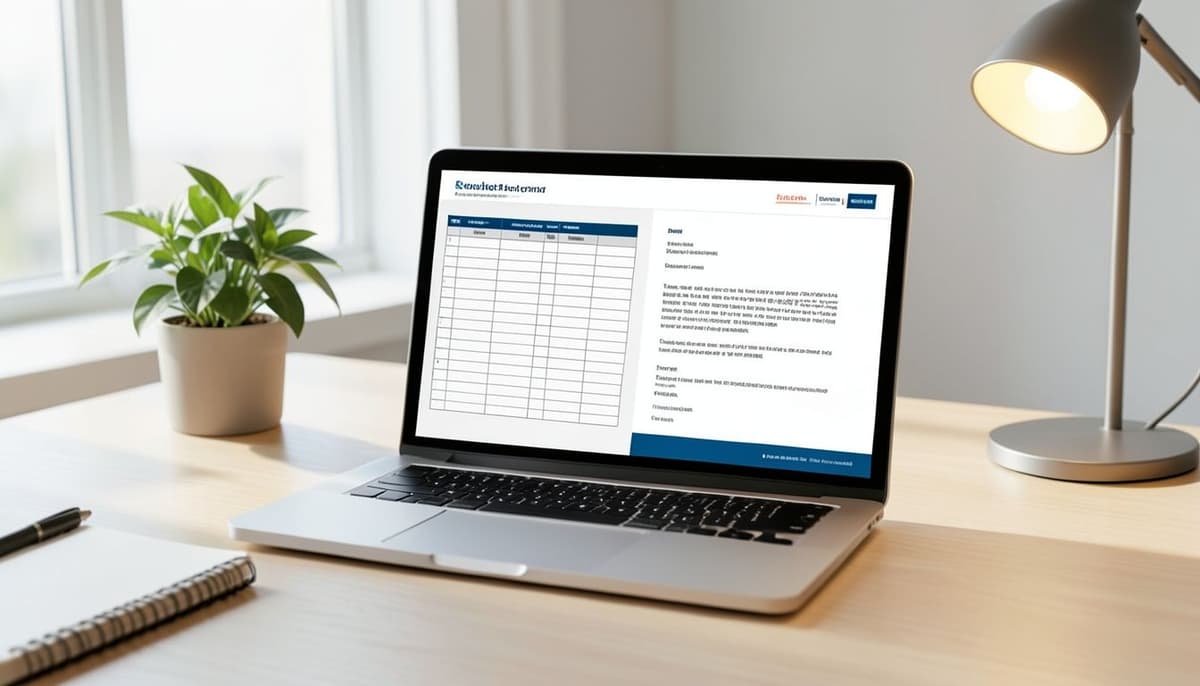
Describe the shape of the answer you want: a table, five bullet points, a short email or step-by-step instructions. The assistant can follow a format reliably only when you name it.
Add limits such as word count, reading level or tone. A request for a friendly, 120-word summary for busy managers is far easier to satisfy than a request for a summary.
How Do Examples Improve Results?

Showing one or two examples of the style you like is often stronger than describing it. Paste a sample paragraph and ask the assistant to match its tone and structure.
Keep examples short and relevant, and say what to copy from them. If the example contains details that should not be reused, tell the assistant to ignore those parts.